
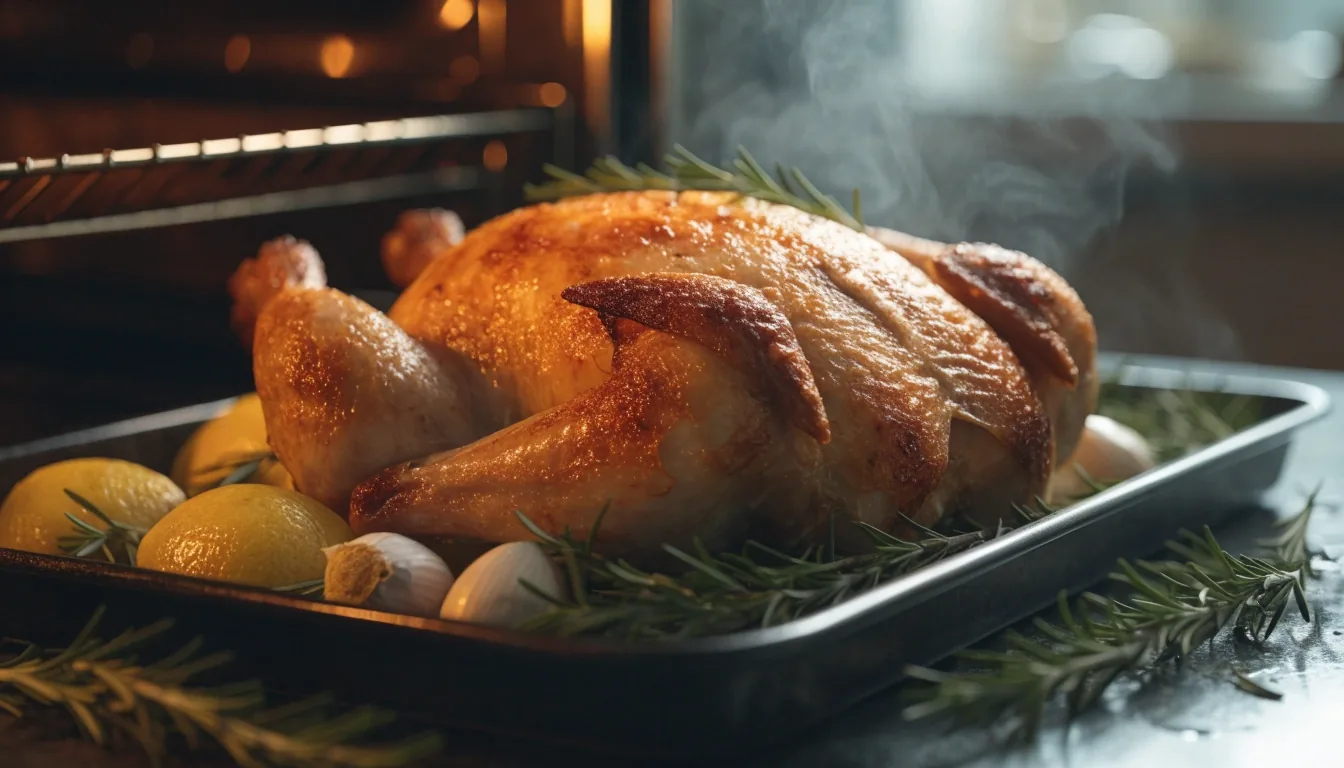
Baked & Roast Chicken
Oven-Baked and Roast Chicken Done Right
Oven chicken fails in two directions: dry breast meat or pale, rubbery skin. Both problems have specific fixes, and neither one needs a special oven or a brine you started the night before. This page covers whole-bird roasts, spatchcock technique, and the one-pan thighs and breasts that anchor most weeknight rotations.
The two problems with oven chicken
Dry meat comes from overcooking. Pale skin comes from too much moisture on the surface. Fix the first with a thermometer and the second with a dry bird and high heat.
Breasts are done at 165°F; thighs are better at 175°F because the connective tissue needs the extra heat to break down. A 3.5 to 4-pound whole chicken roasts in roughly 60 to 75 minutes at 425°F, but temperature beats time every time.
- Pull the breast at
- 165°F
- Pull the thigh at
- 175°F
- Oven temperature
- 425°F
- 3.5–4 lb whole bird
- 60–75 min
Salt it, dry it, roast it hot. The skin does the rest.
Nothing on this page needs a specialty pan or a long marinade. A wire rack, an instant-read thermometer, and 425°F cover almost every bird and cut below.
Whole roast chicken, the fundamentals
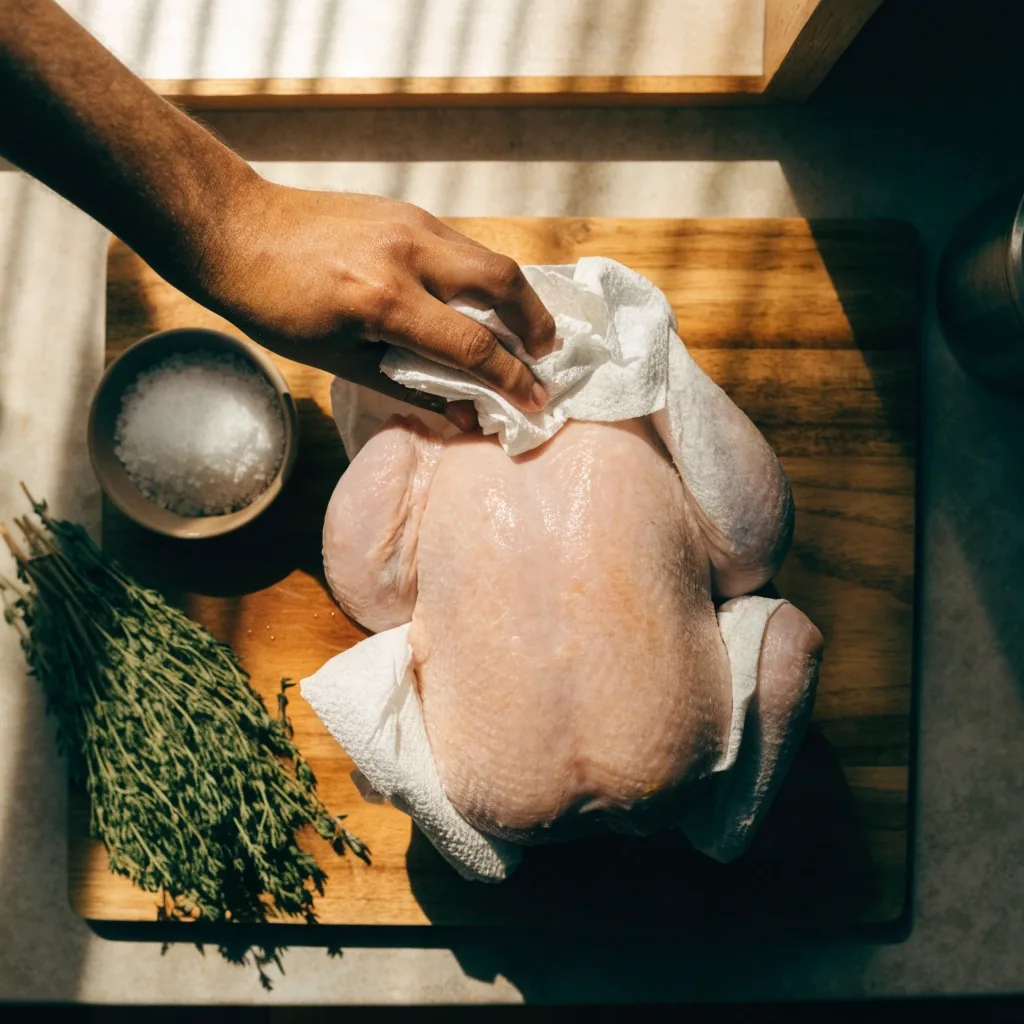
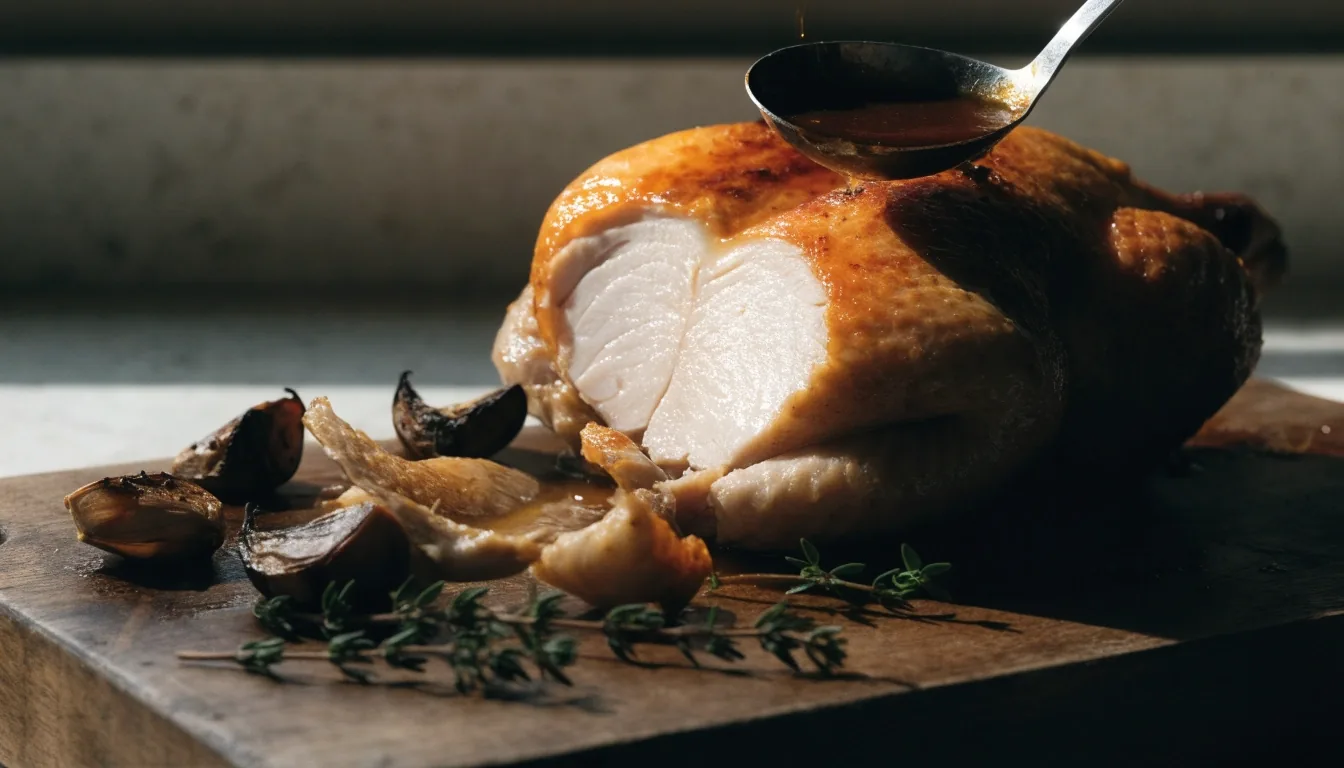
The whole bird is the test. Dry the skin with paper towels, salt it generously, and let it sit uncovered in the fridge for a few hours if you have the time. Roast at 425°F on a rack in a pan so the bottom doesn't steam.
Truss or don't truss. Trussing gives a more even shape and slightly slower cooking; un-trussed gets crisper skin on the legs. Both work, and the choice mostly changes how the bird sits in the pan rather than how it tastes.
- Pat the cavity and the skin dry before it goes anywhere near the oven.
- Salt ahead and rest uncovered in the fridge so the surface dries as it seasons.
- Set the bird on a rack so the bottom browns instead of poaching in its own juices.
Spatchcock chicken, the faster roast
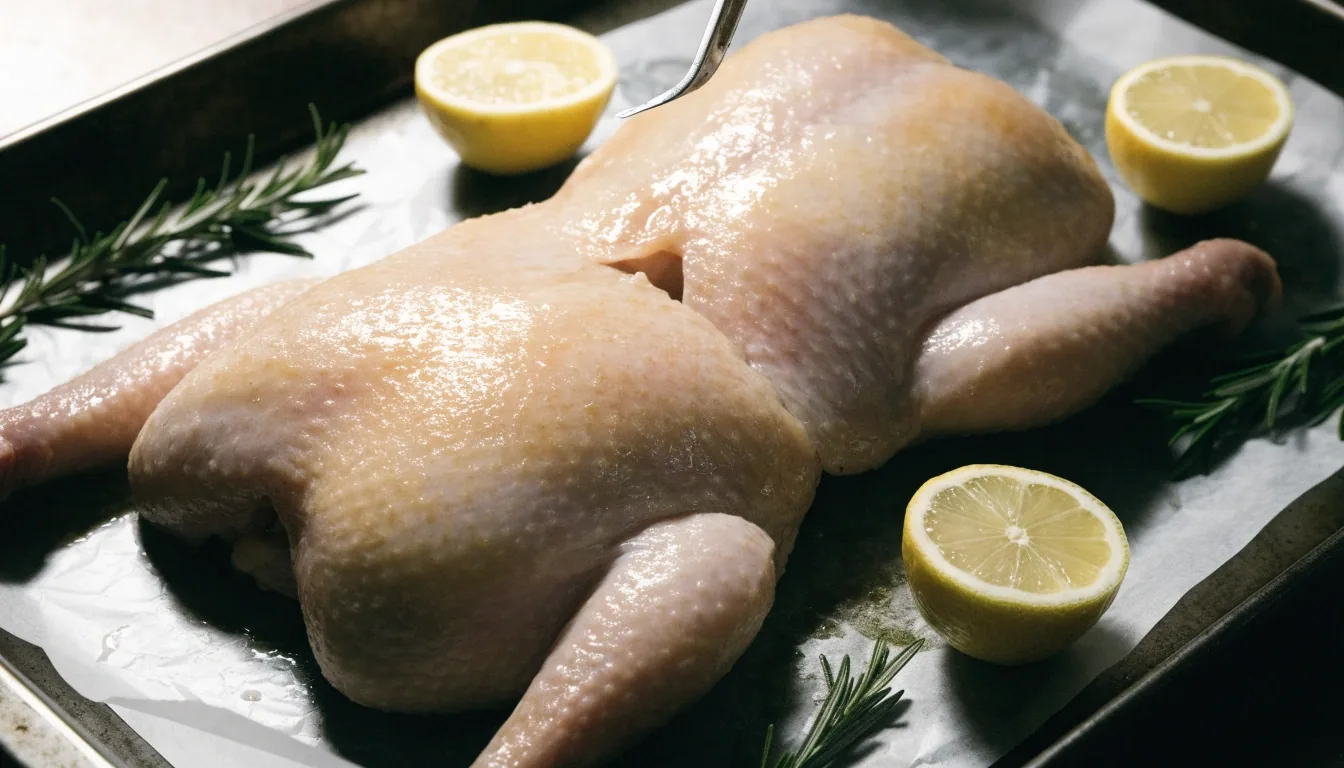
Spatchcocking means removing the backbone and flattening the bird so it lies flat. The method speeds up cooking and promotes even browning, which is why it shows up so often in modern roast-chicken content.
A spatchcocked bird roasts in about 45 minutes at 425°F, and the skin browns more evenly because the surface is flat. It's the technique that most improves a home cook's roast chicken in one step.
Browse the full top 10 chicken recipesOven-baked thighs and breasts
The least glamorous and most useful page in the collection. Thighs are forgiving: season them, roast at 425°F for 30 to 35 minutes, and pull them at 175°F. Breasts need more attention; roast at 425°F for 20 to 25 minutes and pull at 165°F, no later.
Bone-in, skin-on cuts give more flavor and a wider margin for error than boneless, skinless. Buy the bone-in pack when the plan is a sheet pan; save the boneless for stir-fries and skewers.
Chicken thighs
425°F · 30–35 min
Pull at 175°F. The extra ten degrees over breast temperature is what breaks down the connective tissue and keeps the meat silky instead of stringy.
Chicken breasts
425°F · 20–25 min
Pull at 165°F, no later. If the pieces are uneven, press the thick end flatter with your palm so the thin side doesn't dry out first.
Bone-in vs. boneless
Same oven, different clock
Bone-in, skin-on cuts give more flavor and a wider margin for error. Boneless cooks faster but goes from juicy to chalky in a couple of minutes.
Seasoning matters less than people expect here. Salt, black pepper, and a dusting of smoked paprika carry a sheet pan of thighs; save the rubs and glazes for the saucy chapter, where they have something to cling to.
One-pan dinners
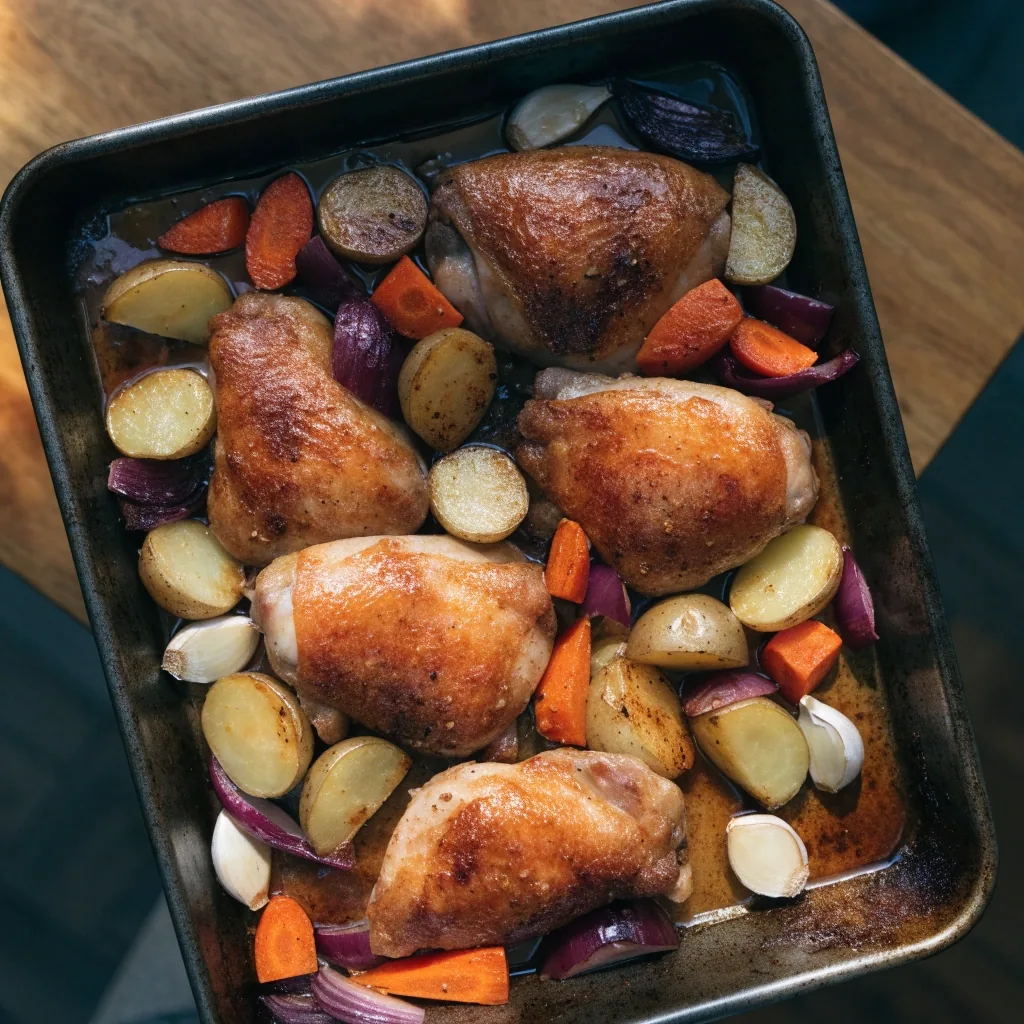
Sheet-pan chicken with vegetables, spatchcock with potatoes underneath, and baked thighs with a side salad are the three fastest cleanup options here.
The trick is to give the vegetables a head start if they need more time than the chicken, and to use the chicken fa to season the vegetables as it renders. One pan, one cutting board, one dinner.
Browse one-pan dinnersGetting the skin crispy
Three things matter: dry surface, high heat, and air circulation. Everything else is optional.
-
Dry the surface
Pat it, salt it, wait
Pat the chicken dry, and salt it ahead of time if you can. Water on the skin turns to steam, and steam keeps the surface pale.
-
Raise it up
Rack or vegetables
Roast on a wire rack or on top of vegetables rather than directly on the pan, so hot air reaches the underside too.
-
Leave it alone
Skip the baste
Don't baste during cooking. Basting adds moisture to the skin and slows browning. If it needs more color at the end, a two-minute broil will finish it.
Resting and carryover
Rest the bird for 10 to 15 minutes before carving. Carryover cooking will push the internal temperature up another 5°F or so, which is why pulling a few degrees early is standard practice.
Rest on a cutting board, not a plate, so the bottom doesn't steam. Tent loosely with foil if the kitchen is cold; skip the tight wrap, which softens the skin you just spent an hour building.
Questions home cooks ask about oven chicken
How do you keep baked chicken juicy without drying it out?
Cook to temperature. Pull breasts at 165°F and thighs at 175°F, then rest 10 minutes. Salting ahead and using bone-in, skin-on cuts give you more margin for error.
Do I need to brine a whole chicken before roasting?
No, but a dry salt rest in the fridge for a few hours helps both flavor and skin crispness. A wet brine works too, though you'll need to dry the bird thoroughly before roasting or the skin will steam.
What temperature should I roast chicken at?
425°F for whole birds and spatchcock, which gives crispy skin and even cooking. Lower temperatures (375°F) work but take longer and give a paler crust.
Can I roast vegetables in the same pan?
Yes. Root vegetables, potatoes, and onions work best. Give them a 15 to 20-minute head start if they're dense, and put the chicken on top so the fa seasons them as it renders.
Next in the collection
Once the oven chapter is working for you, the fried and saucy chapters add heat, crust, and sauce to the same cuts. The weeknight page keeps the timing short; the full list shows how each dish compares before you commit an evening to it.