
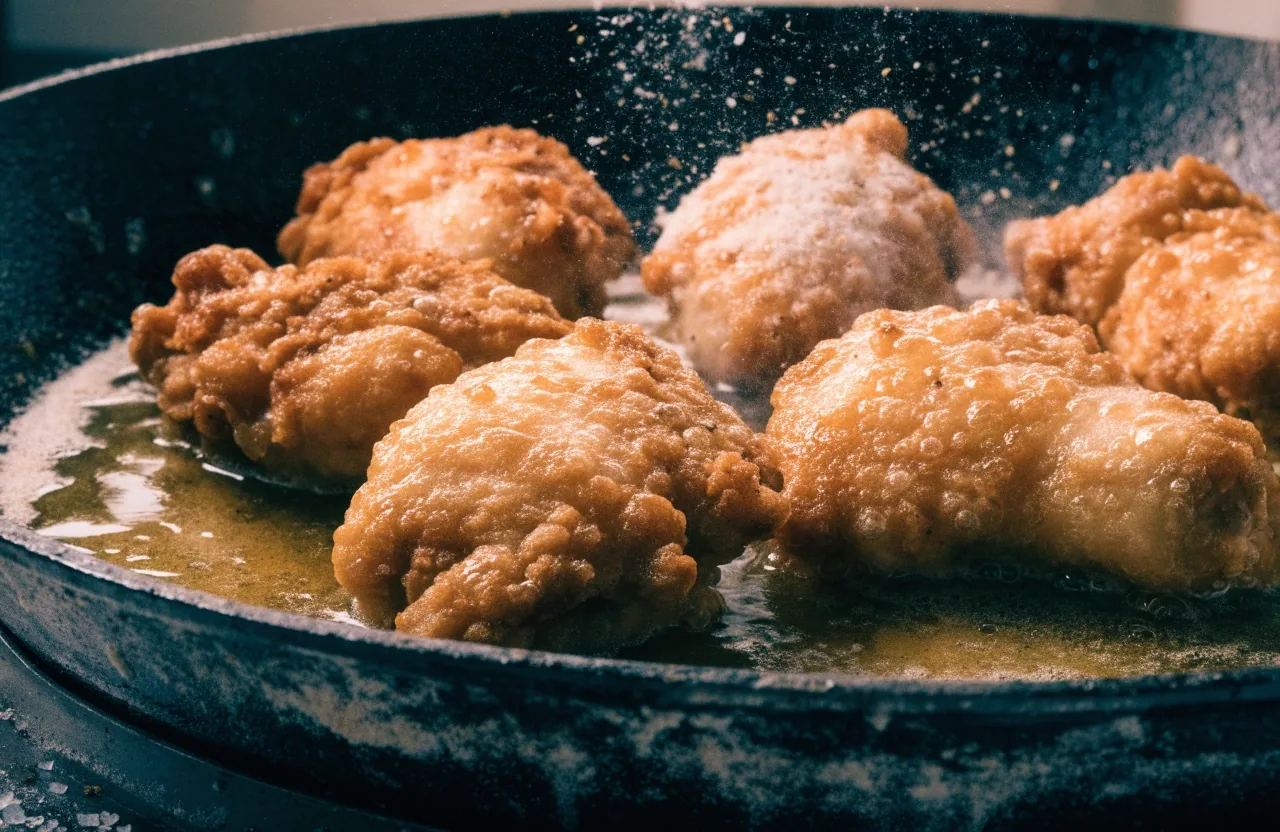
Crispy & Fried Chicken
Crispy and Fried Chicken, From Hot to Mild
Fried chicken is a technique, not a single recipe. The same bird can end up as Nashville hot chicken with a cayenne paste finish, Buffalo wings with a cayenne-butter sauce, or chicken fingers with a simple breadcrumb crust.
What "crispy" actually means
Crispy skin or crust comes from removing moisture fast. Water steams, oil fries, and the difference between soggy and crunchy is whether the surface dried out before it hit the heat. Three levers matter: dry the chicken, use a hot enough oil, and don't crowd the pan.
Crowding drops the oil temperature and the crust absorbs fa instead of crisping. Give each piece room, work in batches, and let the oil come back up between rounds.
The three levers
350–375
Degrees Fahrenheit is the oil window for most fried chicken. Below it, the crust drinks oil; above it, the outside darkens before the inside cooks.
10 min
Rest time for breaded pieces before they hit the oil, so the coating hydrates and holds on instead of sliding off.
1 inch
Of oil in a cast-iron skillet is enough for wings and tenders, with less mess and less oil to cool down afterward.
Heat is adjustable. Crunch is not — so pick your format by how much oil you want to deal with, then dial the spice afterward.
Nashville hot chicken
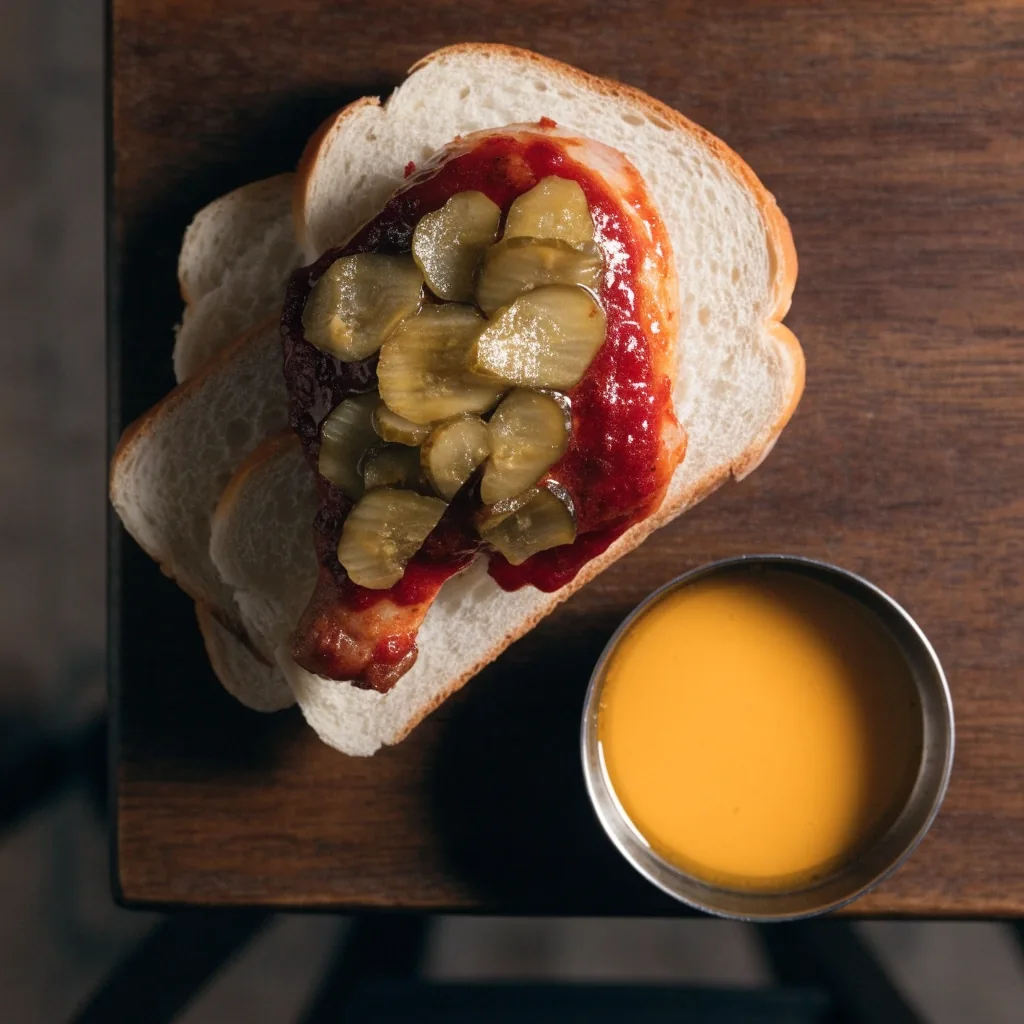
The cayenne-forward style associated with Nashville, Tennessee, and the dish most people mean when they search for dave hot chicken. The technique is a two-step: fry the chicken until the crust is set, then brush or dunk it in a cayenne-and-oil paste that's usually built with brown sugar, paprika, and a little vinegar.
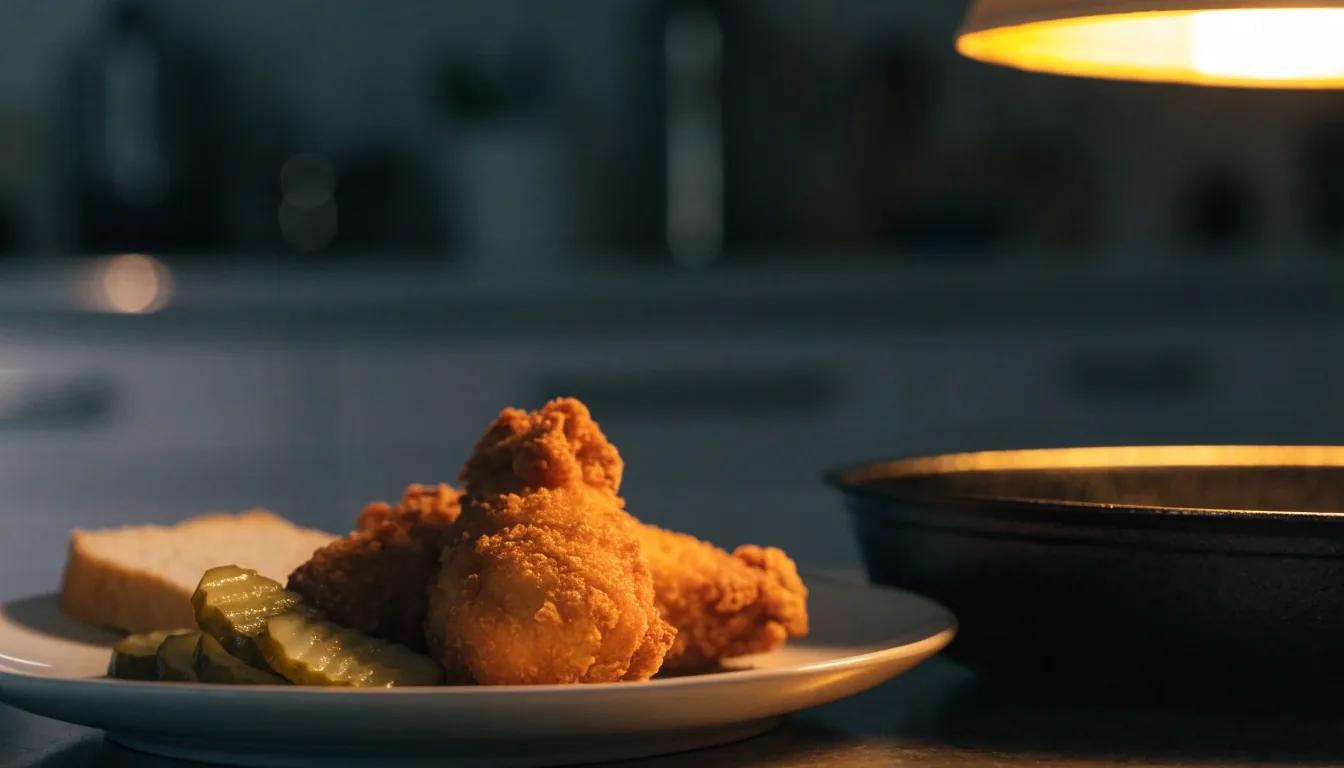
The paste goes on after frying, which keeps the crust crunchy. Pickle on top and white bread underneath are the traditional serving setup. Heat is adjustable; crunch is not.
Building the paste
- Cayenne is the base heat — start with a modest spoonful and taste as you build.
- Brown sugar rounds the burn and helps the paste cling to the crust.
- Smoked paprika adds color and depth without adding much heat.
- A splash of vinegar or pickle brine keeps the paste from tasting flat.
For a mixed table, keep the paste in a bowl and let each person spoon their own heat over plain fried chicken.
Buffalo wings
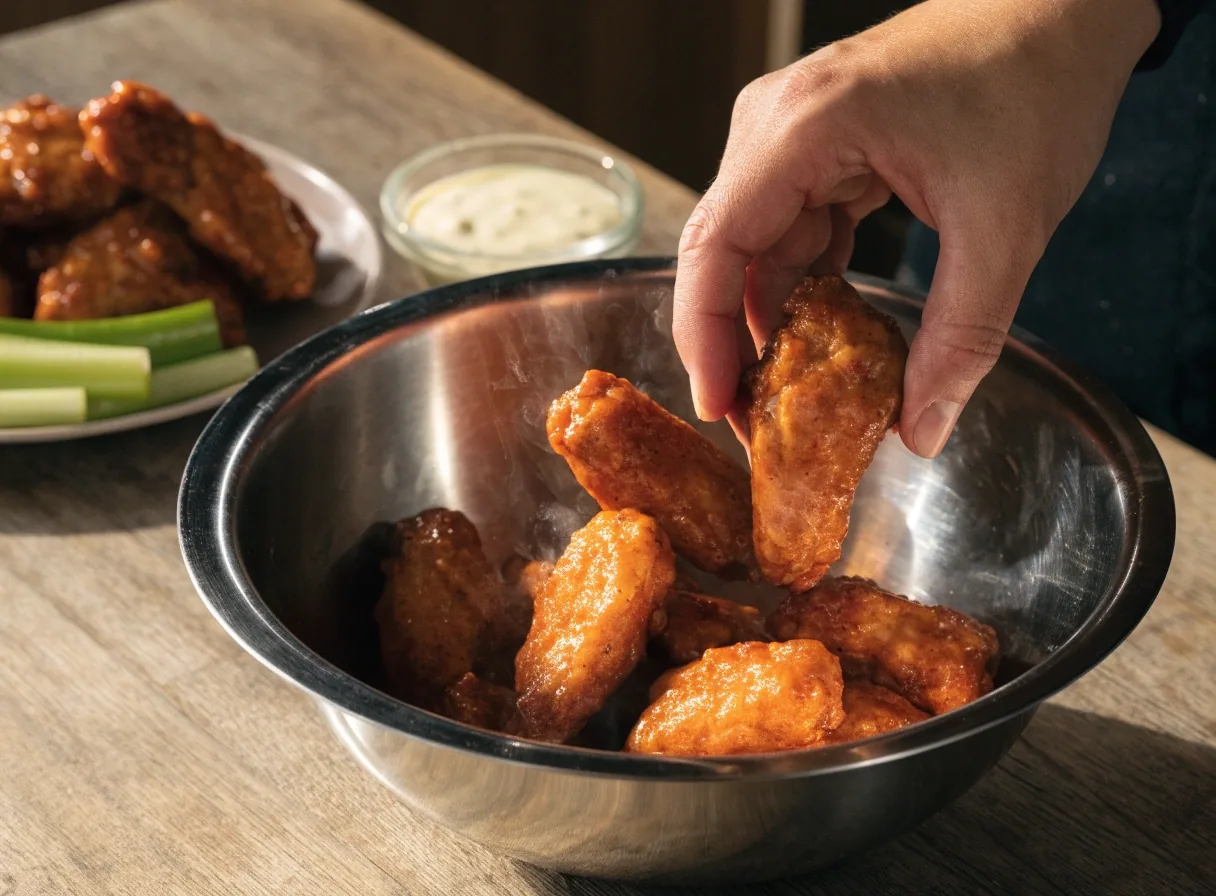
Originated in Buffalo, New York, and still the standard American wing. Cayenne-based hot sauce melted with butter, tossed over wings that have been fried or oven-roasted until the skin is crisp. Served with celery and blue cheese or ranch.
The trick is to dry the wings on a rack in the fridge for an hour or two before cooking; it makes a bigger difference than any sauce tweak. Cold, dry skin browns faster and crisps further, which is exactly what you want under a wet sauce.
Chicken tenders and fingers
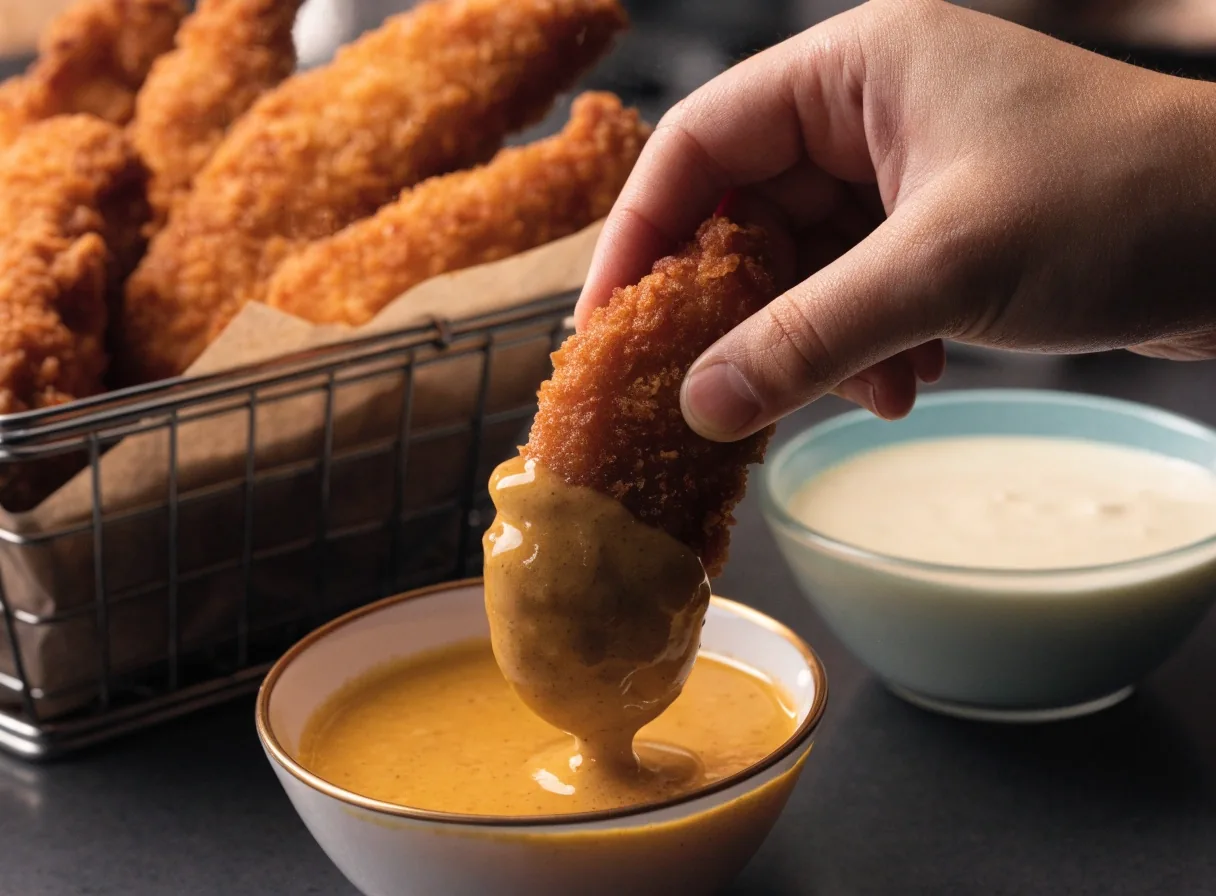
Tenders come from the tenderloin; fingers and strips are usually cut from the breast. Both get breaded and fried, baked, or air-fried. They're the most forgiving format in the crispy category, and the one most likely to be eaten by someone who doesn't like spice.
Dipping sauces do a lot of the work here: honey mustard, ranch, or a mild Buffalo. Because the meat is thin, tenders cook quickly — watch the crust color rather than the clock, and pull them the moment the coating is deep gold.
Which heat level to pick
Match the format to the table, not the other way around. If you're cooking for a mixed group, fry the chicken plain and serve the heat on the side — that way everyone gets the crunch without a spice negotiation.
Heat level
Best format
How you control it
Good for
Mild
Fingers and tenders
Season the flour only; keep sauces separate
Kids, spice-averse guests, lunch boxes
Medium
Buffalo wings
Change the hot-sauce-to-butter ratio
Game nights, shared platters, a mixed table
Hot
Nashville hot chicken
Adjust the cayenne in the finishing paste
Anyone who wants the burn on the crust itself
Oil, pan, and cleanup
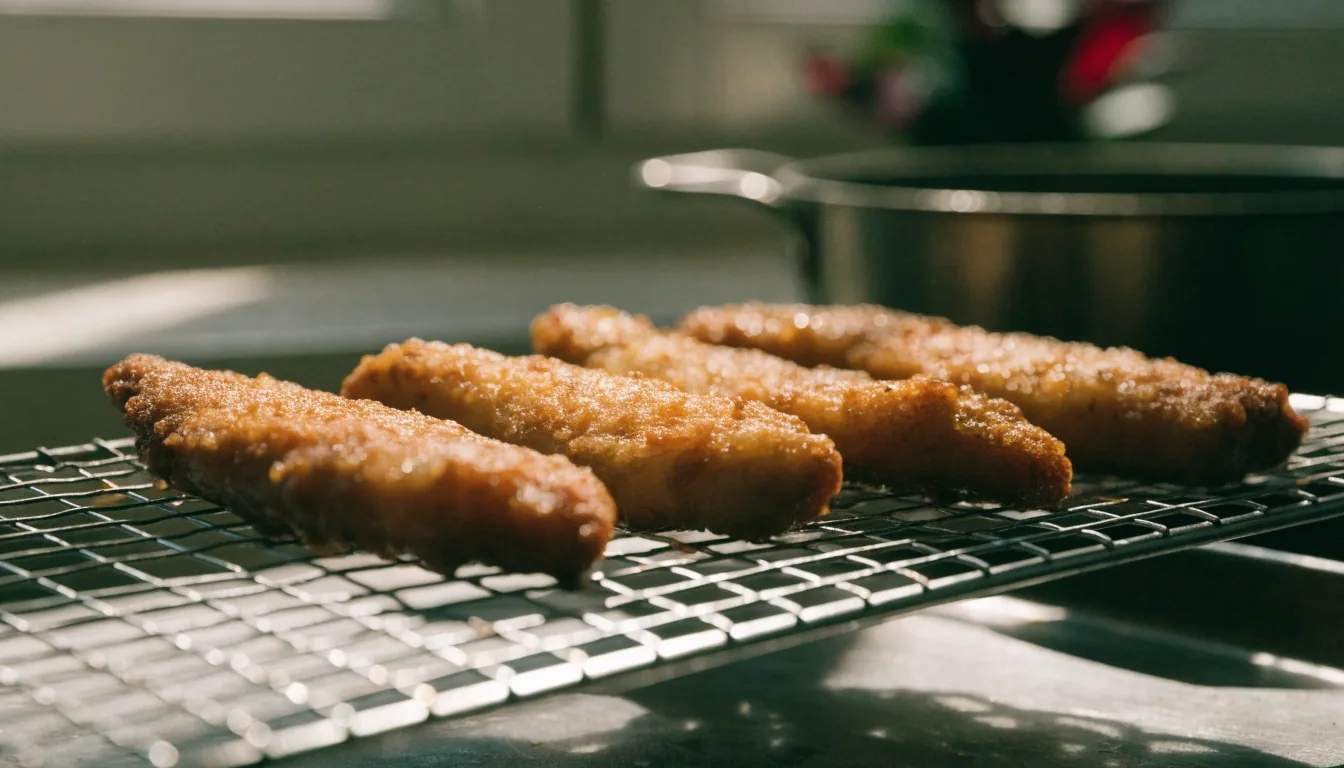
A cast-iron skillet with an inch of oil handles wings and tenders. A Dutch oven holds temperature better for a bigger batch. A wire rack over a sheet pan catches drips and keeps the crust from steaming on the counter.
If you want to skip the oil entirely, a 425°F oven on a wire rack gets close on breaded cutlets and thighs; the air fryer is the third option and the fastest for two to three servings. Whichever route you take, let the oil cool completely before you move it, and strain it through a fine mesh if you plan to fry again within a few days.
Breading that stays on
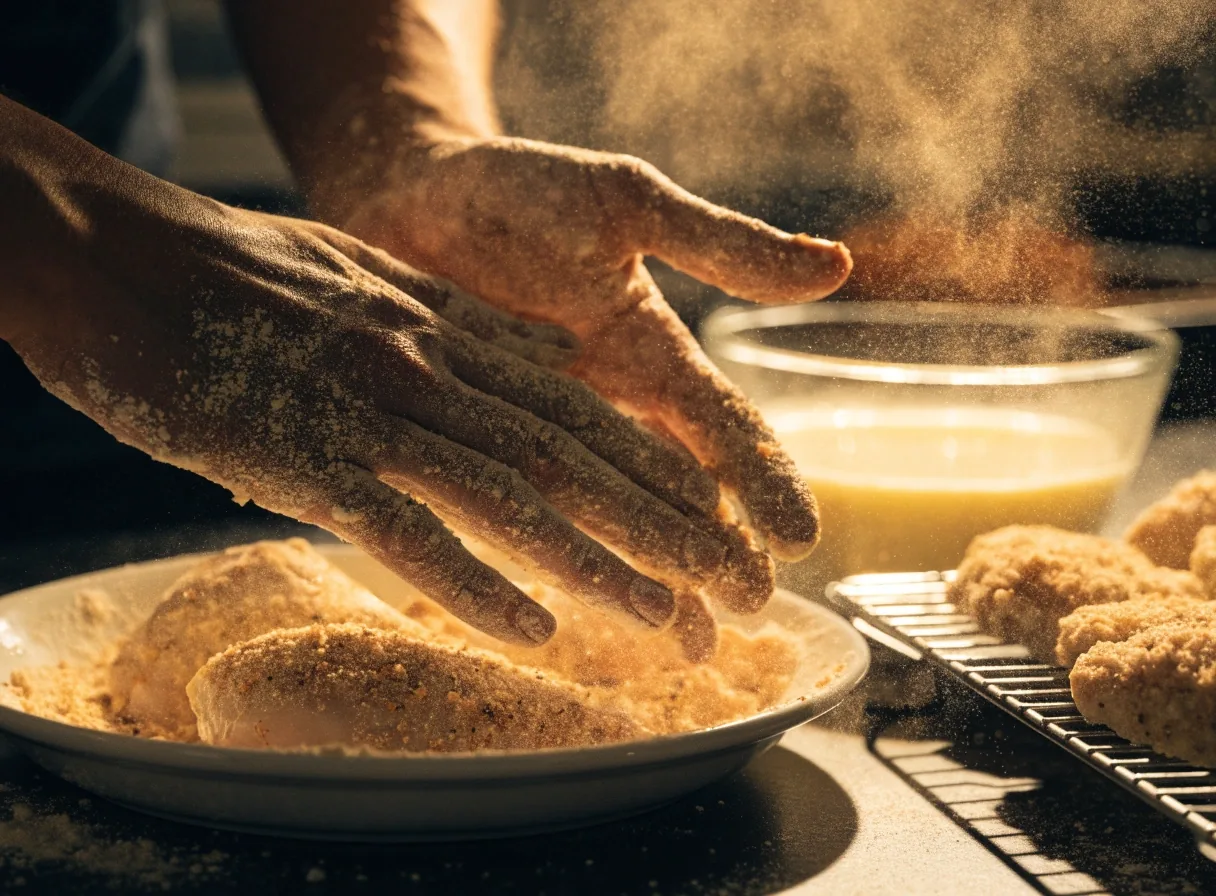
Flour, egg wash, then flour again for a thicker crust. Or buttermilk brine, then seasoned flour, for a thinner, craggier crust.
-
Pat the chicken dry
Moisture on the surface is the first reason coating slips. Blot every piece with paper towels before it touches flour or buttermilk.
-
Press, don't shake
Press the coating onto the chicken instead of shaking off the excess. The flour that stays is the crust you'll bite into.
-
Let the coating rest 10 minutes
The breading hydrates and sticks. Cold chicken straight from the fridge into hot oil is the most common cause of slipping crust — bring the pieces closer to room temperature first.
-
Check doneness, then salt
Fried chicken is done when the internal temperature hits 165°F at the thickest part, not when the crust looks brown. Rest the pieces on a wire rack, not paper towels, so the bottom crust doesn't steam. Salt immediately after they come out of the oil; the seasoning sticks better while the surface is hot. Serve within 20 minutes for peak crunch.
If you'd rather not deep-fry
Crunch does not require a pot of oil. Both of these routes work on breaded cutlets, thighs, and tenders, and each has a trade-off worth knowing before you start.
Oven at 425°F on a wire rack
A wire rack over a sheet pan lets hot air move under the pieces, which is what keeps the underside from going soft. This is the better choice for a bigger batch and it needs almost no attention once it's in. Expect a slightly drier crust than oil-fried, especially on the thinner ends.
Brush the breaded pieces with a little oil or melted butter before they go in — it helps the coating brown rather than just dry out.
Air fryer for small batches
The fastest option for two to three servings. Work in a single layer with space between pieces, and turn them once halfway through so both sides crisp.
A light spray of oil on the coating makes the biggest difference here — without it, breading tends to look pale even when it's fully cooked.
Common questions
The four things home cooks ask most often when they move from plain fried chicken to the hotter formats.
Still deciding? Write to us and we'll point you at the right recipe.
What makes Nashville hot chicken different from regular fried chicken?
The finish. Nashville hot chicken gets a cayenne-forward oil or paste applied after frying, so the heat sits on the crust instead of in the breading. Regular fried chicken is seasoned in the flour and that's it.
Can I make crispy chicken without a deep fryer?
Yes. A cast-iron skillet with an inch of oil, a sheet pan with a wire rack at 425°F, or an air fryer all work. The air fryer is fastest for small batches; the oven handles bigger batches with less attention.
How do I keep the breading from falling off?
Pat the chicken dry, use a flour-egg-flour or buttermilk-flour sequence, press the coating on rather than shaking it off, and let the breaded pieces rest 10 minutes before they hit the oil. Cold chicken straight from the fridge is the most common cause of slipping crust.
Which is hotter, Nashville hot chicken or Buffalo wings?
Nashville hot chicken is usually hotter, because the cayenne paste goes directly on the crust. Buffalo wings are cayenne-based too, but the butter in the sauce tempers the heat.
Pick your format, then go cook it
Nashville hot chicken for the burn, Buffalo wings for a shared table, tenders for the people who want crunch without heat. Every one of them starts with dry chicken and hot enough oil.
Top 10 Chicken Recipes · 888 8th Ave, New York, NY 10019 · +1-212-555-0834 · Monday–Friday, 9:00 AM – 6:00 PM