
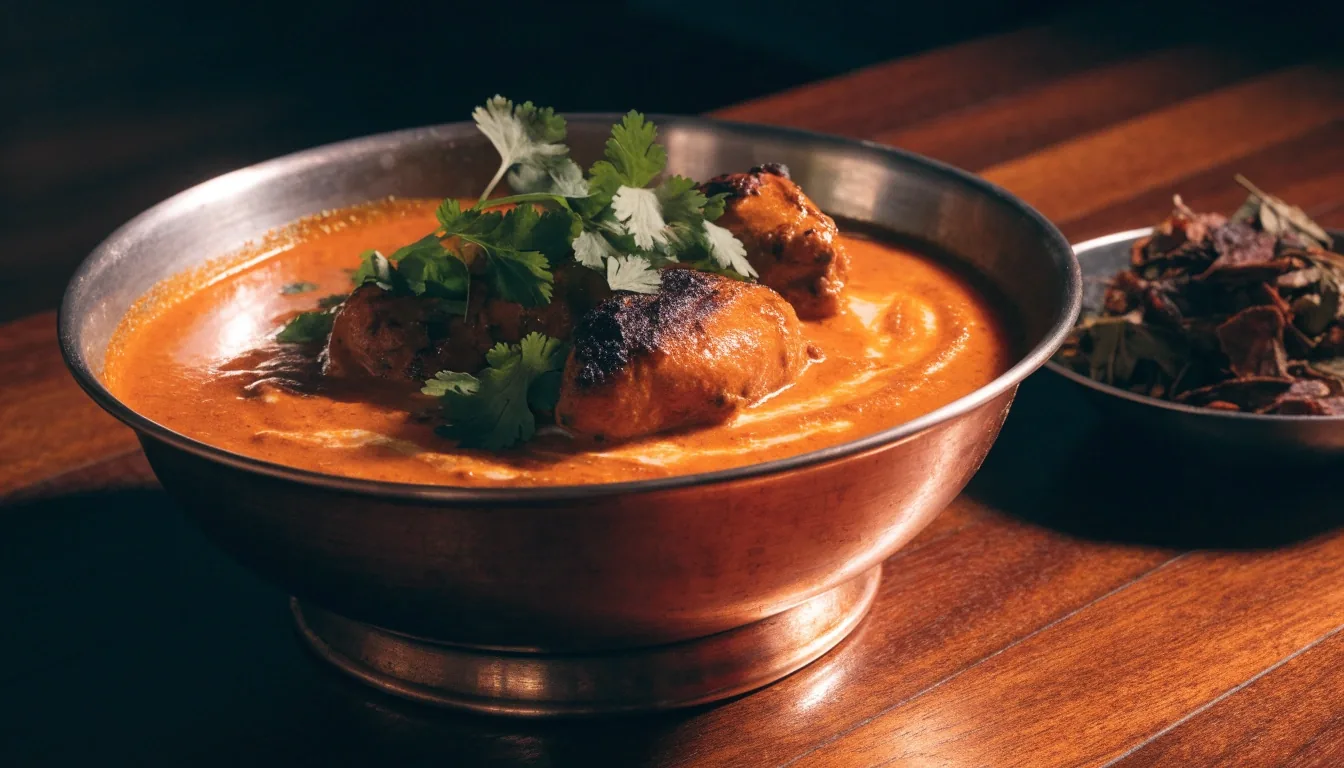
Saucy Chicken Curries
Saucy Chicken Curries Worth Making at Home
Restaurant curry and home curry usually taste different, and the gap is almost always in the sauce. Two dishes carry this category for U.S. readers: butter chicken and chicken tikka masala. Both rely on the same building blocks — marinated chicken, charred edges, a spiced cream or tomato base — and both are more forgiving than they look once you understand the sequence.
What separates home curry from restaurant curry
Restaurant versions tend to be richer and smoother, mostly because of how much butter, cream, and time go into the sauce. Home versions are usually lighter and a little sharper. If you want the restaurant texture, the levers are: more fa, longer simmer, and a final pass of cream off the heat. The chicken itself is the easy part. It's the sauce that takes practice.
More fa
Butter and cream build the rounded body that makes a curry taste finished rather than sharp.
Longer simmer
Time reduces the tomato-onion base so the sauce thickens and sweetens on its own.
Cream off the heat
Stirring cream in at the end keeps it from splitting and holds the sauce glossy.
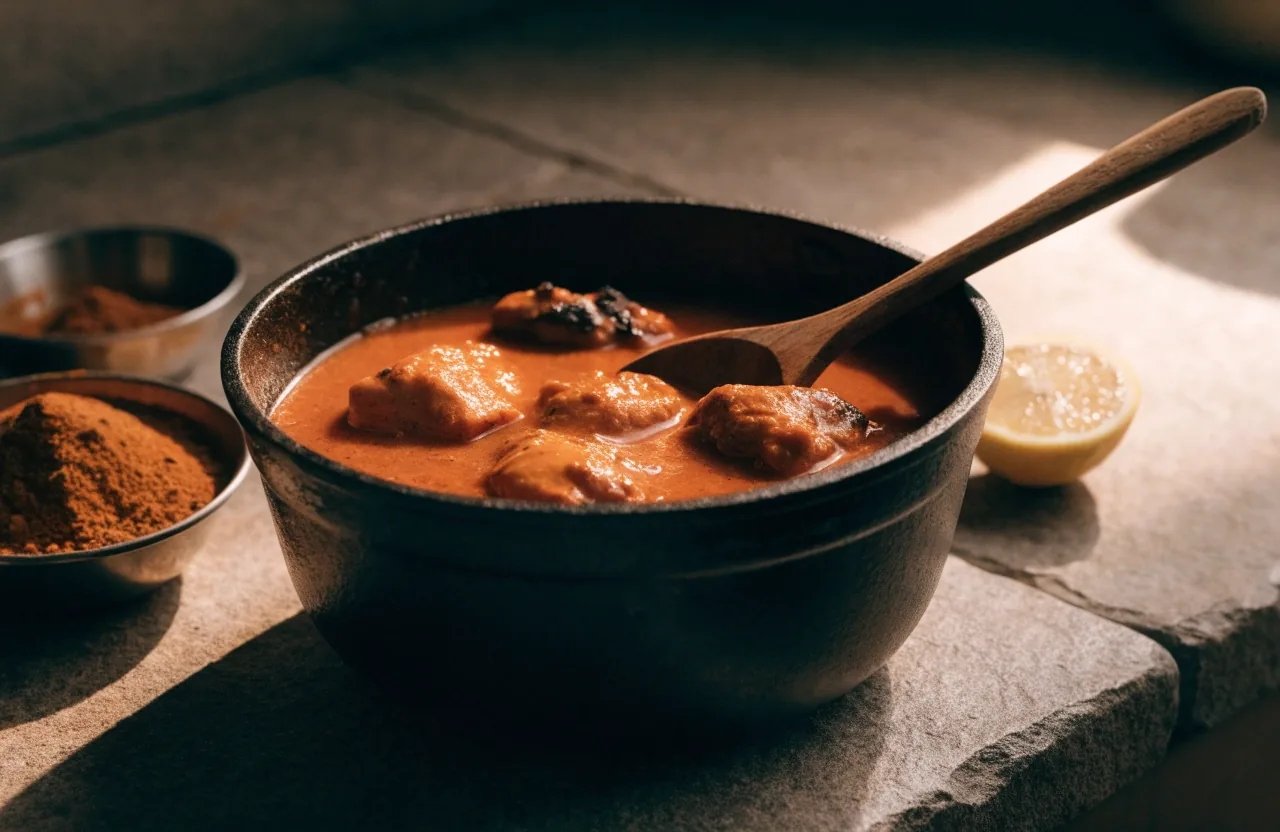
Butter chicken
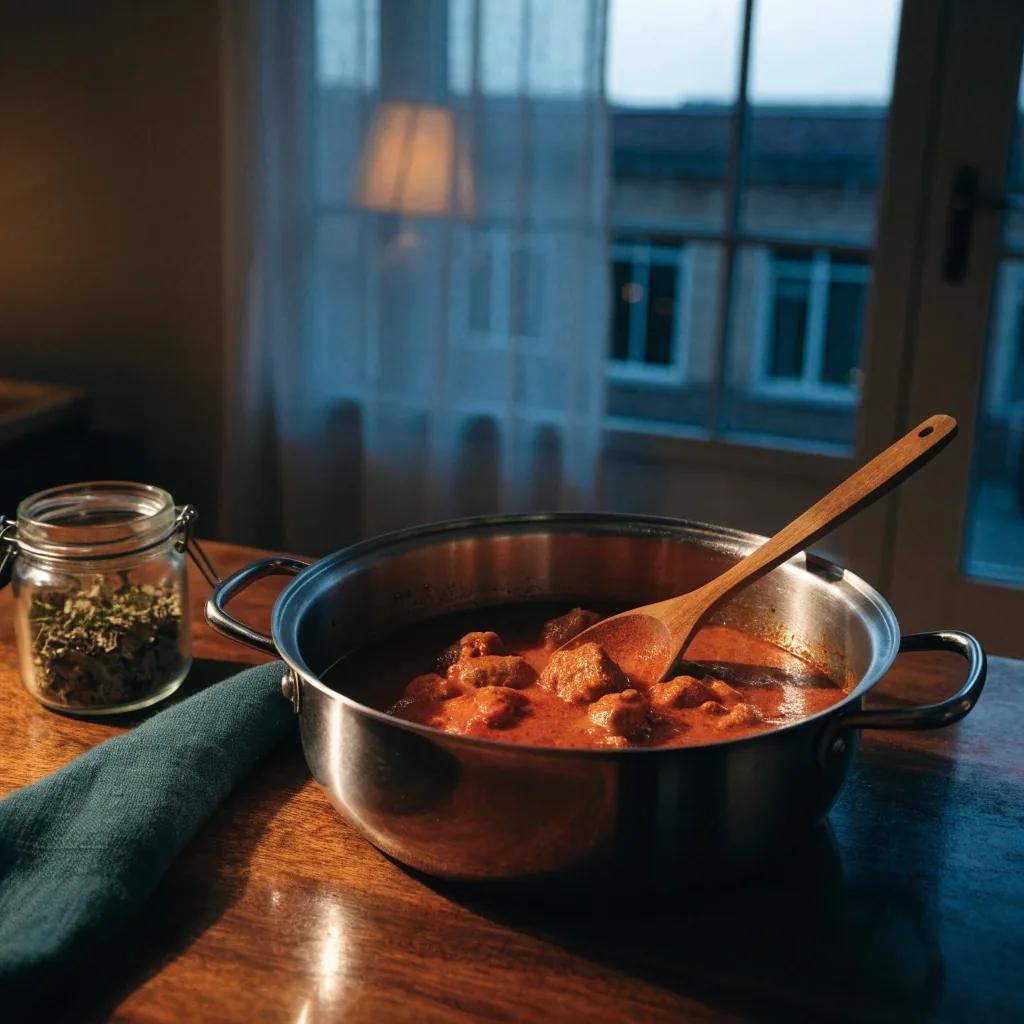
A tomato and butter-based chicken curry, milder than most other Indian curries and one of the most recognizable in the U.S. The dish is built on a tomato-onion-ginger-garlic base, simmered down, then finished with butter and cream. Kasuri methi (dried fenugreek leaves) at the end is the move that gets you closest to restaurant flavor. The chicken is usually marinated in yogurt and spices, then charred or seared before it goes into the sauce.
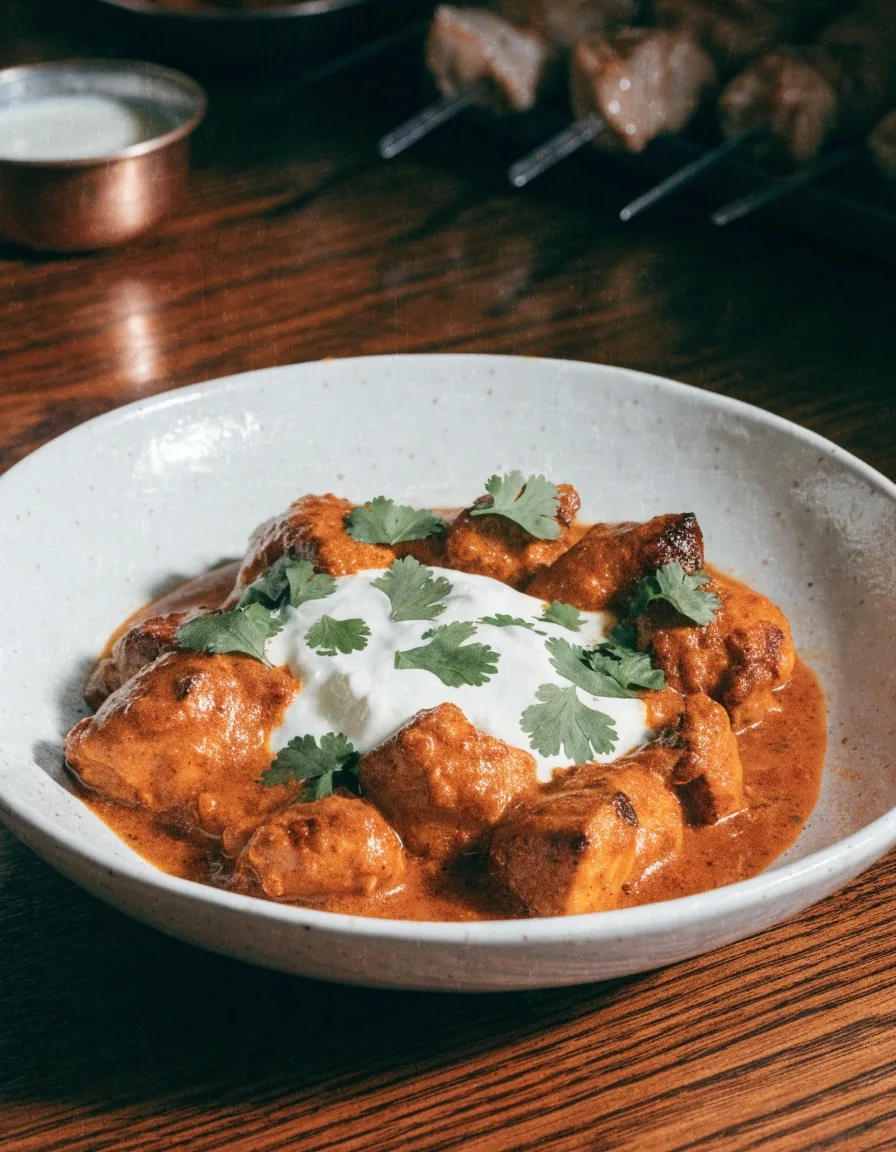
Chicken tikka masala
Marinated chicken, charred, finished in a spiced cream sauce. It's a staple of British-Indian restaurant cuisine and widely eaten in the U.S., often as the benchmark for rich, crowd-pleasing chicken dinners. Home recipes usually focus on three things: the marinade (yogurt plus spices, at least 30 minutes), the char (high heat on the chicken before it enters the sauce), and the sauce balance (tomato, cream, and spice in the right ratio).
The marinade and the char
Yogurt marinades do two jobs: they tenderize and they carry spice into the meat. Thirty minutes is the minimum; a few hours is better. After marinating, cook the chicken on high heat — on a grill, under a broiler, or in a hot cast-iron pan — until the edges are charred but the inside is just cooked.
Marinate
Yogurt plus spices for at least 30 minutes — longer if the day allows.
Char
High heat on the chicken before it enters the sauce gives layered, not flat, flavor.
Finish
Undercooked chicken is a problem; overcooked chicken in a curry is a smaller one, since the sauce keeps it moist.
Balancing the sauce
Curry sauces go wrong in two directions: too sweet or too thin. Fix the problem by what you taste, not by adding more of everything.
Too sweet
Usually too much tomato or onion cooked down without enough acid. A squeeze of lemon or a splash of vinegar at the end fixes it.
Too thin
Needs a longer simmer, or a small slurry of cornstarch stirred in near the end to build body.
Tastes flat
It usually needs salt, not more spice. Taste before you add another teaspoon of garam masala.
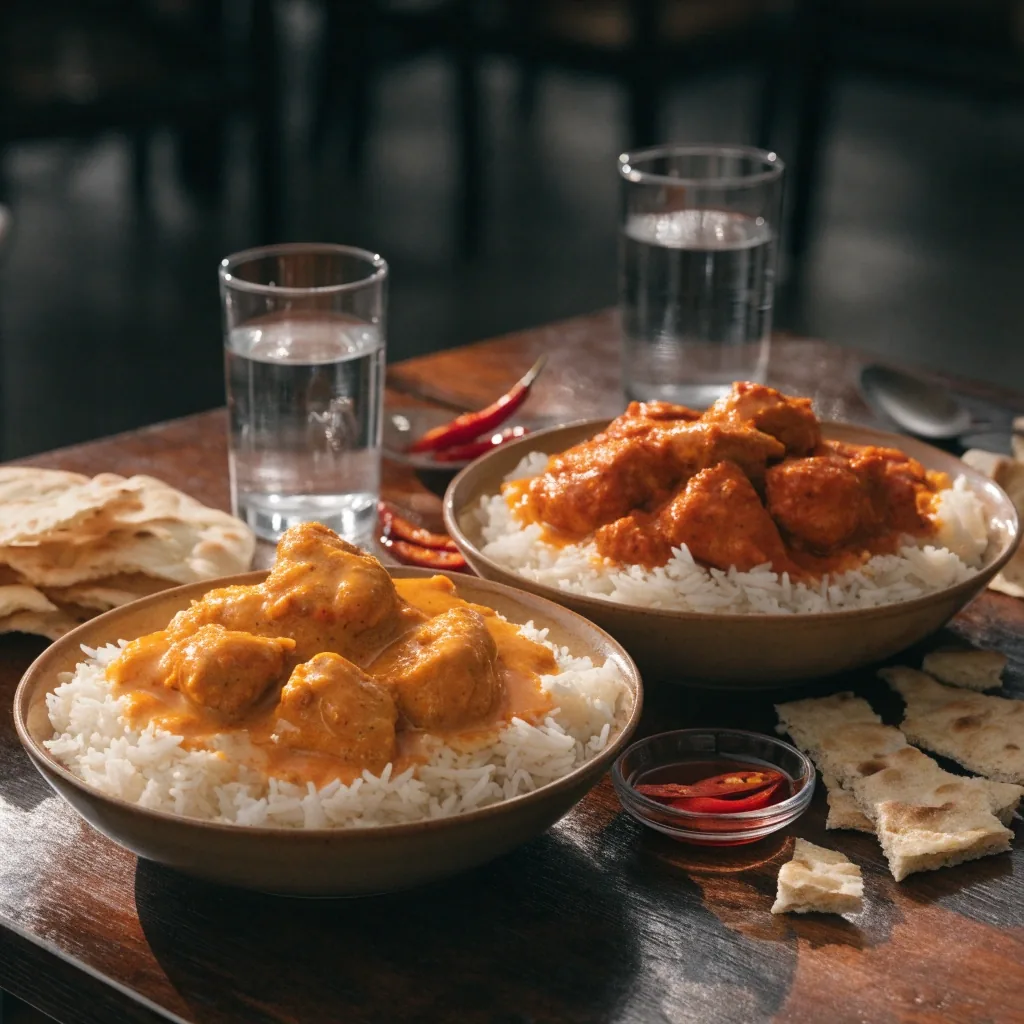
Serving and storage
Both curries are served over basmati rice, with naan or roti on the side. Leftovers keep in the fridge for three to four days and reheat gently; the sauce thickens in the fridge and thins back out over low heat. Butter chicken and tikka masala also freeze well for up to two months. Portion the sauce with the chicken so nothing dries out in the freezer.
Making it mild or hot
Both dishes are adjustable. Kashmiri chili powder gives color without much heat; cayenne or a chopped serrano adds the bite. For a mixed table, keep the base sauce mild and offer chili oil or sliced chilies on the side. This works better than trying to split the pot, since the heat diffuses evenly once it's in.
A note on heat
Sauce balance and spice level are separate dials. Fix the sauce first, then adjust heat with chili oil or fresh chilies at the table so each person gets the bowl they want.
Curry questions, answered
The small decisions — marinade time, richness, heat — are what separate a curry that tastes finished from one that tastes almost there.
Still stuck? Ask us about a recipeWhat is the difference between butter chicken and chicken tikka masala?
Both use marinated chicken in a creamy sauce. Butter chicken is usually milder and more tomato-forward with a heavier butter finish. Tikka masala tends to be a bit spicier and has a more pronounced char on the chicken from the grill or broiler step.
Do I have to marinate the chicken overnight?
No. Thirty minutes is the practical minimum and gives decent flavor. A few hours is better if you have the time, but overnight is not required for a good result.
Can I make butter chicken less rich?
Yes. Cut the butter and cream by about a third and simmer the sauce a little longer to build body. The flavor will be lighter but still recognizable.
Is chicken tikka masala spicy?
It's usually medium, though it depends on the chili you use. Kashmiri chili gives color with mild heat; cayenne or fresh chilies push it hotter.
Next: the rest of the chicken catalog
Curries are one chapter. The catalog also covers crispy and fried chicken, baked and roast chicken, and the weeknight recipes built for busy evenings. Start where your appetite points, or browse the full list and pick your first cook.